Custom Corner Glass Shower Enclosure: Avoid These 9 Installation Errors
A bathroom renovation can be an exciting yet challenging project, especially when space is limited. One of the most popular ways to get a modern, sleek look is by installing a corner glass shower enclosure. These enclosures are not only space-saving but also add elegance to any bathroom.
However, a successful installation requires careful planning and precision. Without proper installation, you could face water leaks, drainage issues, safety concerns, and costly repairs.
In this post, we will guide you through the common mistakes to avoid when installing a corner glass shower enclosure, ensuring your installation goes smoothly and lasts for years.

Mistakes to Avoid When Installing a Corner Glass Shower Enclosure
Installing a corner shower glass enclosure requires a lot of attention to detail. To help you avoid common pitfalls and ensure a smooth installation, we have outlined the key mistakes to watch out for and how to fix them.
Ignoring Drainage Considerations
One big installation mistake is not paying enough attention to your drainage system. Focusing solely on the aesthetics of your corner glass shower can result in improperly positioned drains. This can lead to water pooling inside the shower, slow drainage, and even water leaking into other parts of the bathroom.
Before starting the installation, check that the drain aligns with the shower base. It’s essential to make sure the floor slopes at about 1-2% toward the drain to ensure water flows naturally. Using high-quality drain covers will also prevent clogs, promote quicker drainage, and reduce the chances of water damage.
If you are remodelling an older bathroom, it is wise to upgrade the drainage system as part of the installation process to avoid future problems.
Guessing or Rounding Off Measurements
Another mistake homeowners make is not taking proper measurements for their corner glass shower enclosure. Incorrect measurements can cause gaps, resulting in water escaping or compromising the overall stability of the enclosure.
Accurate measurements are key to a perfect fit. Use a laser level and measuring tape to ensure precision. Since most walls are not perfectly straight, it is important to account for any irregularities that could affect the fit of the glass panels.
If your bathroom has unique dimensions, you may want to consider getting custom shower glass panels to ensure a seamless fit and avoid costly mistakes.
Choosing the Wrong Thickness of Glass
Selecting the wrong thickness of glass can have a significant impact on the safety and durability of your corner glass shower. Glass that is too thin can break more easily, while glass that is too thick can be difficult to handle and install.
For most corner glass shower installations, 8 to 10-millimetre tempered glass is ideal. This thickness offers the right balance of strength, durability, and ease of installation.
Tempered glass is the preferred choice because it is strong and shatterproof, providing added safety. Or, if you have small children or seniors in the home, laminated glass may be a better choice, as it holds together even if it breaks.
Using Low-Quality Sealants
Water leaks are one of the most common problems with shower enclosures, and this often happens due to poor sealing. If you use low-quality sealants or don’t apply them correctly, water can escape and cause damage to surrounding areas.
To avoid leaks, use a high-quality waterproof sealant. Apply it carefully to ensure there are no air bubbles or gaps in the seams. Regularly inspect and replace worn-out sealant strips to maintain waterproofing. Make sure to focus on the areas where the corner glass shower enclosure meets the wall to prevent long-term water damage.
Placing the Door in the Wrong Direction
If you do not place the shower door in the right direction, it could block access to other bathroom features, such as the vanity, toilet, or cabinets. This vastly reduces the functionality of the space.
Before finalizing the placement of your corner glass shower door, make sure there is enough space for it to open smoothly. If you have a small bathroom, consider a sliding glass door, as it doesn’t require additional clearance. For larger bathrooms, outward-opening doors might be a better option, as they offer more accessible space and better convenience.
Installing the Shower on Weak Surfaces
If the walls and floor in your bathroom are not strong enough, your shower enclosure may not stay secure, leading to potential safety risks.
To avoid this, always use durable and water-resistant materials for the walls and floors surrounding your corner glass shower. Opt for high-hardness tiles or stone for the shower walls, as these are durable and resistant to moisture. Non-slip flooring inside and outside the shower is a good idea for added safety. A textured shower mat can further reduce the risk of slipping and enhance the overall safety of the area.
Overlooking Maintenance and Cleaning Needs
Some shower enclosures look stunning but require constant maintenance. Materials that attract soap scum, hard water stains, and dirt can make cleaning a hassle.
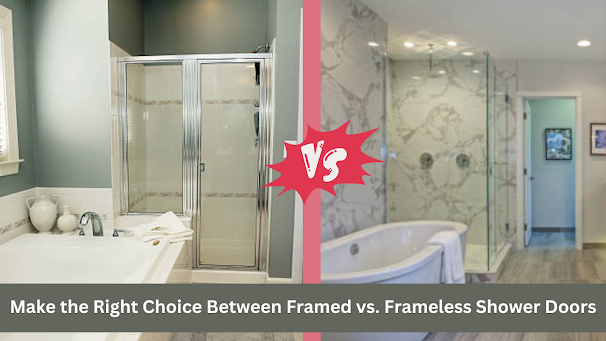
To reduce these cleaning efforts, opt for materials that are easy to maintain. For example, water-repellent glass coatings minimize streaks and buildup of soap scum. A frameless design is also a good option, as it eliminates the metal components where grime can accumulate. If you choose a sliding system, avoid deep tracks, as they can collect dirt and require frequent cleaning.
Failing to Account for Bathroom Ventilation
Without proper ventilation, moisture builds up inside the shower, leading to the growth of mould and mildew. This can damage the walls and the overall condition of the bathroom.
To avoid this, ensure that your bathroom has adequate ventilation. You can do this by also installing a high-powered exhaust fan that can effectively remove humidity and moisture from the air. After showering, leave the door slightly open to allow air to circulate. Using mould-resistant paint and caulking in the shower area will also help prevent this growth over time.
DIY Installation Without Proper Knowledge
While doing it yourself might seem like a cost-saving option, improper installation can lead to issues like misalignment, leaks, and even broken glass.
If you are not experienced in shower installation, it is best to hire a professional to ensure that the corner glass shower enclosure is installed properly. They have the expertise to handle any challenges that may arise during the process.
If you decide to go the DIY route, make sure you follow the manufacturer's instructions carefully, double-check your measurements, and pay attention to every detail to avoid costly mistakes.
A corner shower glass enclosure is a great choice for both style and functionality, but proper installation is key to its performance. By avoiding common mistakes like inaccurate measurements, poor drainage planning, and incorrect sealing, you can ensure that your installation goes smoothly. Whether you're using custom shower glass or opting for a frameless design, attention to detail will guarantee that your shower enclosure looks great and functions perfectly. Keep these tips in mind, and you'll have a beautiful, long-lasting corner glass shower that adds both elegance and practicality to your bathroom.

Comments
Post a Comment